Identification: An elephant in poor conditions is reported or offered for retirement.
History of Elephant Sanctuary Chiang Mai
Elephant Jungle Sanctuary (EJS) in Chiang Mai was founded with a mission to give elephants the happiness, health, and freedom they truly deserve. Deeply committed to ethical tourism and sustainability, the sanctuary provides rescued elephants with lifelong care, a natural habitat, and world-class veterinary support through partnerships like The Care Project Foundation.
Every experience at EJS is designed around the elephants’ routines, ensuring interactions are respectful, educational, and cruelty-free. Beyond elephant welfare, EJS supports local communities by creating jobs, sourcing food locally, funding education and infrastructure projects, and promoting environmental conservation through reforestation and eco-friendly practices.
Quick timeline
- Ancient times – 20th c.
Elephants serve in royal processions, warfare, forestry, and ceremonies.
⬇️ - Late 1900s
Commercial logging accelerates; many elephants are employed in timber.
⬇️ - 1989
Thailand bans commercial logging. Thousands of domesticated elephants and mahouts suddenly have no income; many animals are pushed into shows, street begging, or trekking camps.
⬇️ - 1990s–2000s
First wave of rescue-oriented projects in Northern Thailand (especially around Chiang Mai) starts shifting the model from riding to care, rehabilitation, and education.
⬇️ - 2010s
Ethical tourism awareness booms; “no riding, no shows” becomes a traveller choice, not a niche.
⬇️ - 2020–2021
Tourism shutdown stresses sanctuaries; some camps use the pause to go fully saddle-off and rewild behaviours.
⬇️ - 2022–present
Responsible sanctuaries rebound with capped groups, better welfare standards, and community-run models.
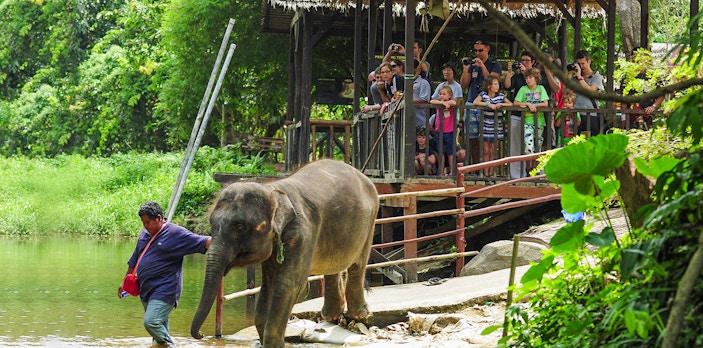
How rehabilitation takes place at Elephant Sanctuaries
Assessment & transfer: Vets and mahouts evaluate health, transport safely, and begin quarantine.
- Rehab & socialising: Slow introductions to compatible friends (yes, elephants have besties).
Daily care: Free-roaming time, river baths, enrichment, nutrition balls, foot care, and dental checks.
Ongoing funding: Your ticket literally buys fruit, meds, and mahout wages.
What defines an ethical Elephant Sanctuary
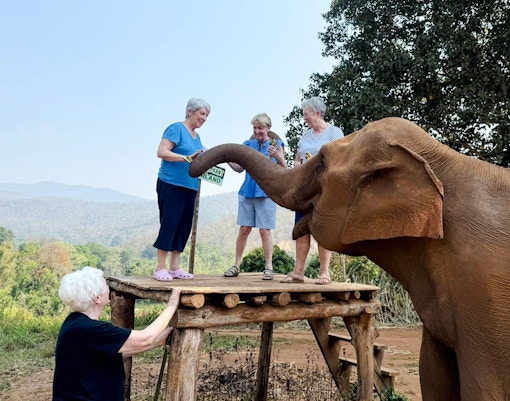
No riding or performances
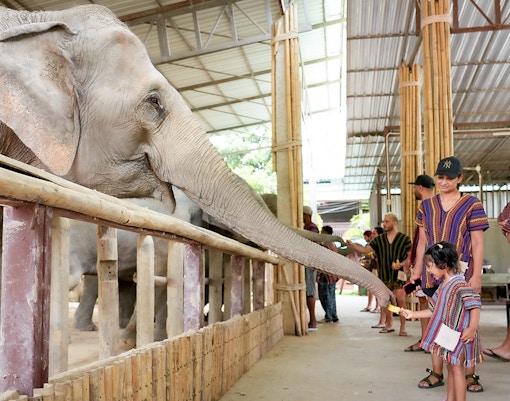
Ethical elephant sanctuaries never allow visitors to ride elephants or watch them perform tricks. Carrying tourists or painting with trunks causes long-term spinal and psychological harm. Instead, elephants are free to forage, play, and socialise naturally while guests observe or feed them from a safe distance.
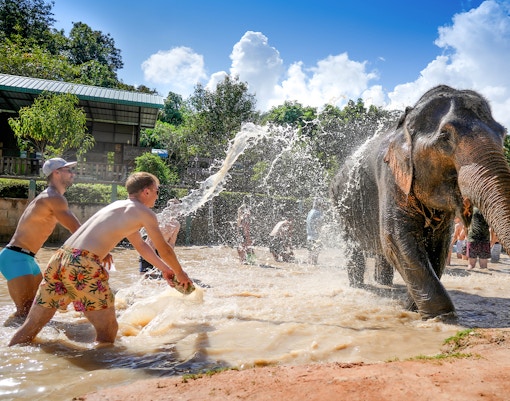
Freedom to roam and choose
Rescued elephants deserve autonomy; that means no forced interactions. True sanctuaries give them acres of open forest, rivers, and mud pits where they decide when to eat, bathe, or interact. This freedom helps restore natural behaviours lost during captivity.
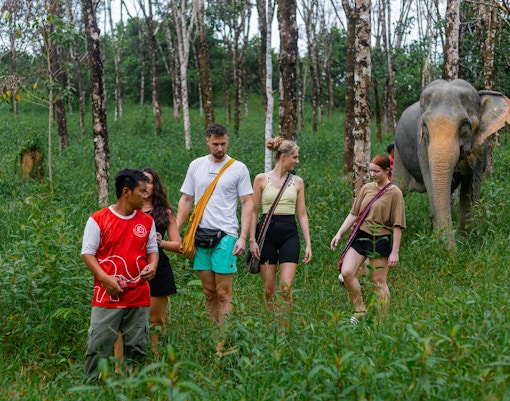
Small groups & short visiting hours
Responsible sanctuaries prioritise animal comfort over volume. Group sizes are capped (usually 8–12 guests per guide) and visitor hours are limited so elephants can rest undisturbed. This also ensures guests have meaningful, low-impact interactions; not rushed photo sessions.
Transparency & ongoing welfare
Look for sanctuaries that publish rescue stories, vet updates, and care costs. Ticket revenue should clearly fund food (elephants eat up to 200 kg daily!), medical care, and fair local employment. Ethical sanctuaries are proud to show where your contribution goes.
Frequently asked questions about Elephant Sanctuary Chiang Mai tours
Once used for war, logging, and shows, elephants were left without work after logging was banned in 1989. Sanctuaries emerged to give them freedom, care, and dignity.
The 1990s–2000s saw the first wave. By the 2010s, “no riding, no tricks” became the new norm.
To give elephants a better life — no chains, no pain, just freedom, vet care, and love.
They’re identified, transferred, given vet care, introduced to other elephants, and enjoy daily enrichment.
No riding. No shows. Small groups. Free-roaming elephants. Full transparency.
Nope. But you’ll get to walk beside them, feed them, and watch them enjoy life — naturally.
Baths, mud, naps, forest walks, social time, and snacks — just how it should be.
Local mahouts, trained vets, and passionate caregivers.
Absolutely. Your ticket covers food, meds, wages, and conservation projects.
Yes, from a respectful distance. No forced selfies.
Yes. Some guides also speak Thai or Mandarin (check availability).
Something comfy and okay to get muddy! Bring bug spray and a change of clothes.
November–February (cool and dry). Rainy season is splashy and fun too.
.svg?auto=compress%2Cformat&w=156&h=48&q=90&crop=faces&fit=crop)

